Orthopedics
How I help
As your orthopedic specialist, I accompany you in the diagnosis and treatment of conditions affecting the entire musculoskeletal system.
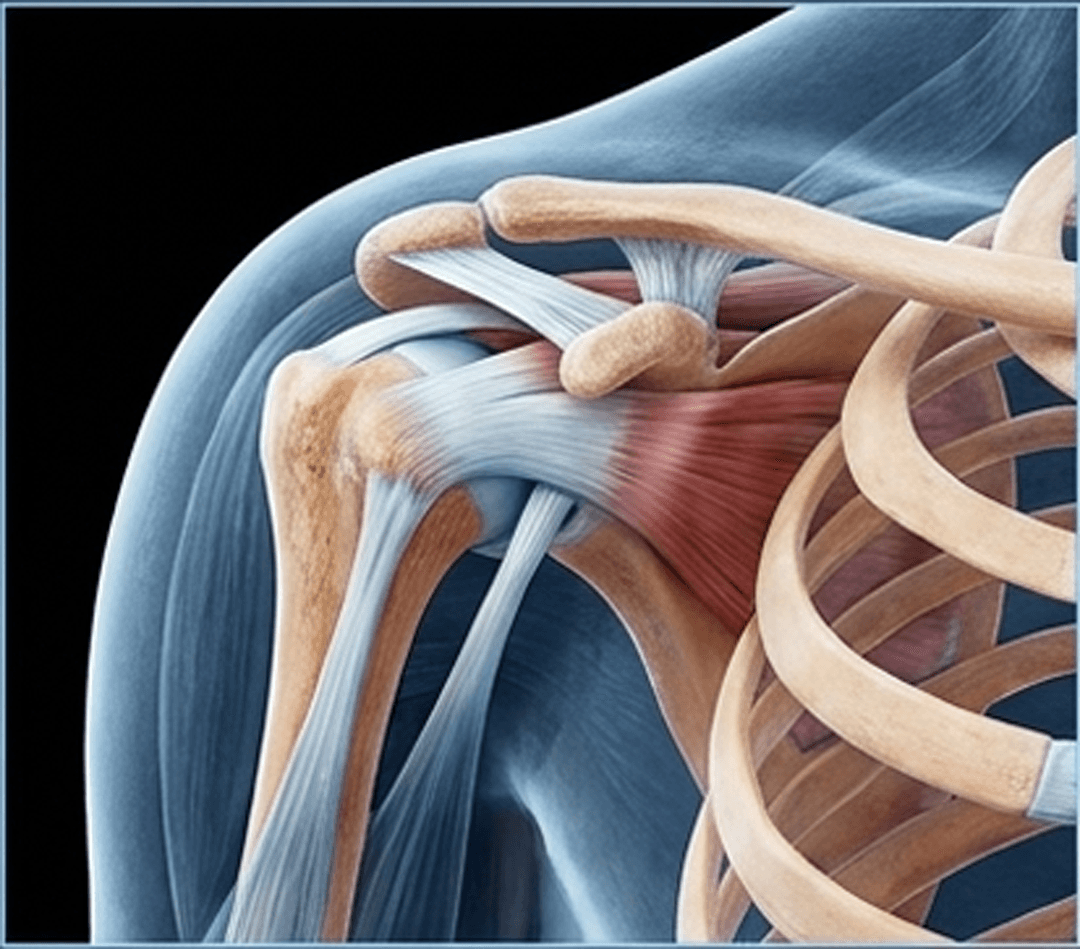
The shoulder is the most mobile joint in the body and is therefore particularly susceptible to overload, injuries, and wear and tear. Pain is frequently caused by inflammation, overuse, or damage to the rotator cuff, as well as arthritic changes. Since shoulder complaints can significantly restrict mobility in daily life, an accurate diagnosis is important. The causes are often multifaceted, ranging from mechanical irritation and instabilities to degenerative changes. Treatment is based on the individual situation, the clinical examination, and, if necessary, supplementary imaging. The goal is a low-pain and well-functioning shoulder.
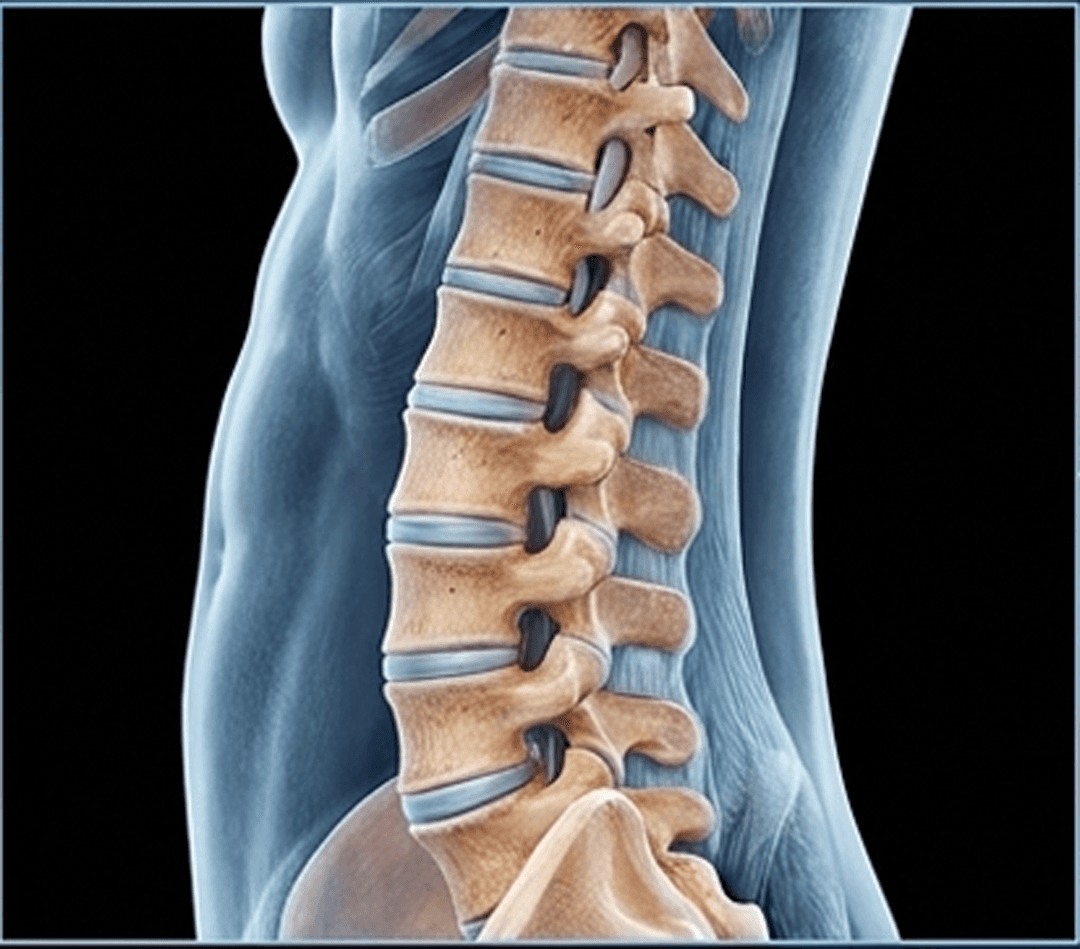
The back is the central supporting element of our body and is exposed to high levels of stress every day. Back pain is frequently caused by tension, poor posture, wear and tear, or problems with the intervertebral discs. It is among the most common orthopedic complaints and can significantly impair quality of life. In many cases, several causes coexist—from muscular imbalances to changes in the vertebrae, joints, and discs. Spine conditions such as herniated discs, spinal canal stenosis, or degenerative diseases can cause pain and restricted mobility.
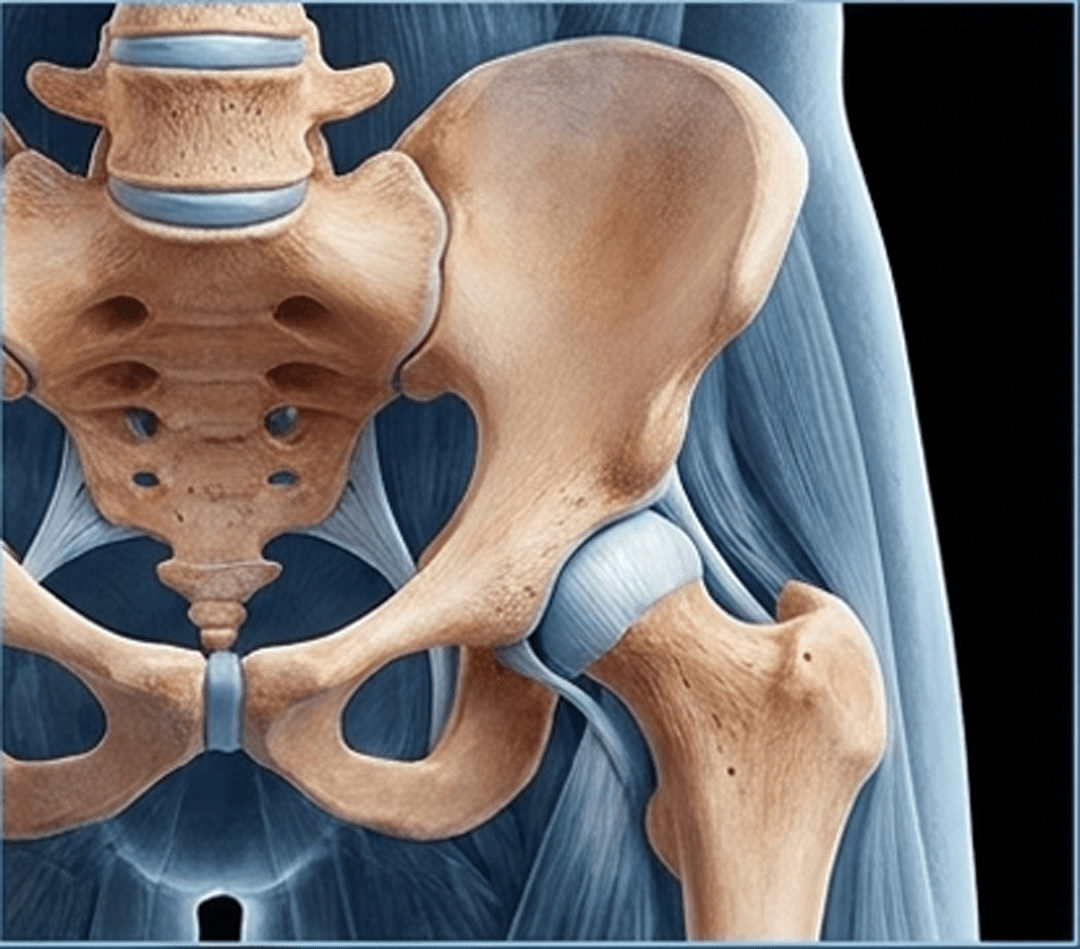
The hip carries a large portion of the body's weight and is involved in many everyday movements. Discomfort often arises from wear and tear, overload, injuries, or circulatory disorders. These can significantly restrict mobility. Early assessment helps to identify causes and initiate suitable treatment options to preserve the function of the joint for as long as possible. In some cases, a surgical procedure may be necessary. The goal is always to provide the gentlest possible treatment and a sustainable improvement of the symptoms.
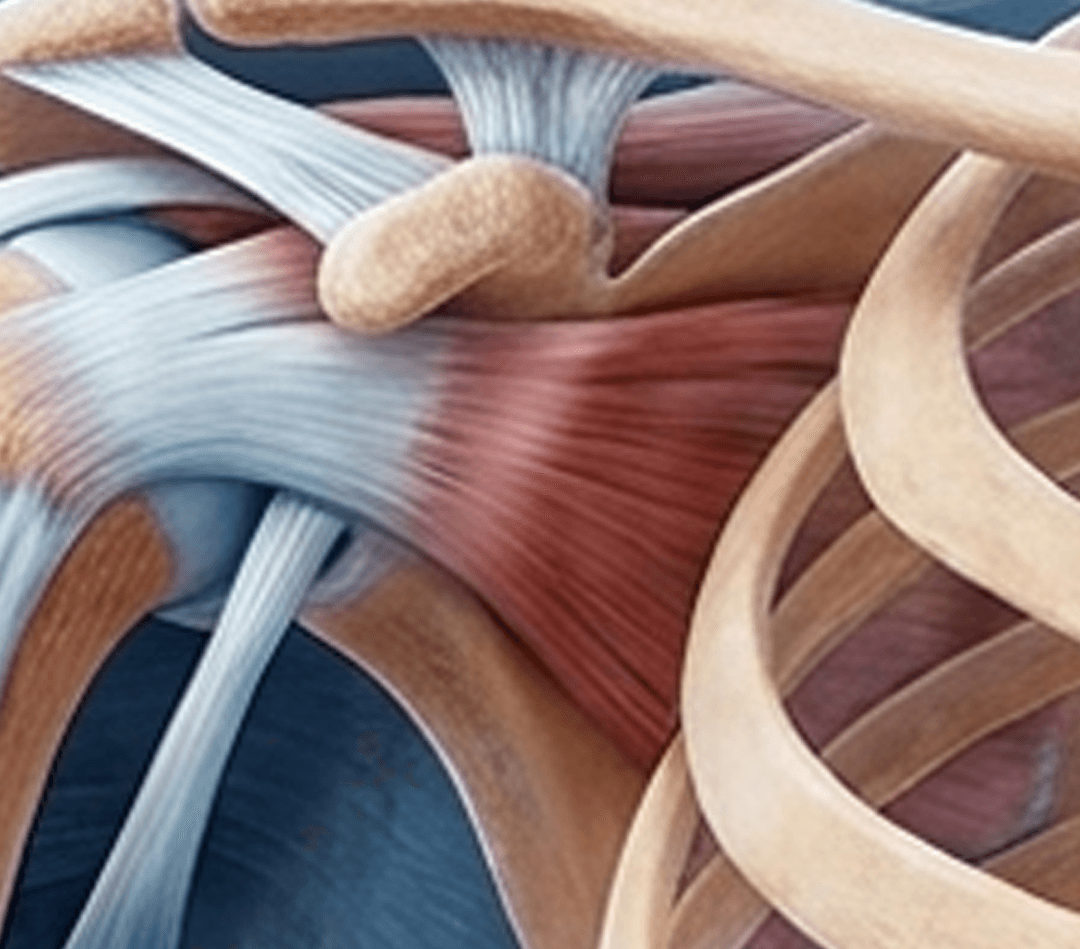
Tendons connect muscles to bones and enable the transmission of force in the body. Tendon complaints can occur in the form of inflammation or degenerative changes. Typical symptoms include pain, loss of strength, and limited mobility. Such complaints can occur in various parts of the body and often have multiple causes, such as altered movement patterns or overload.
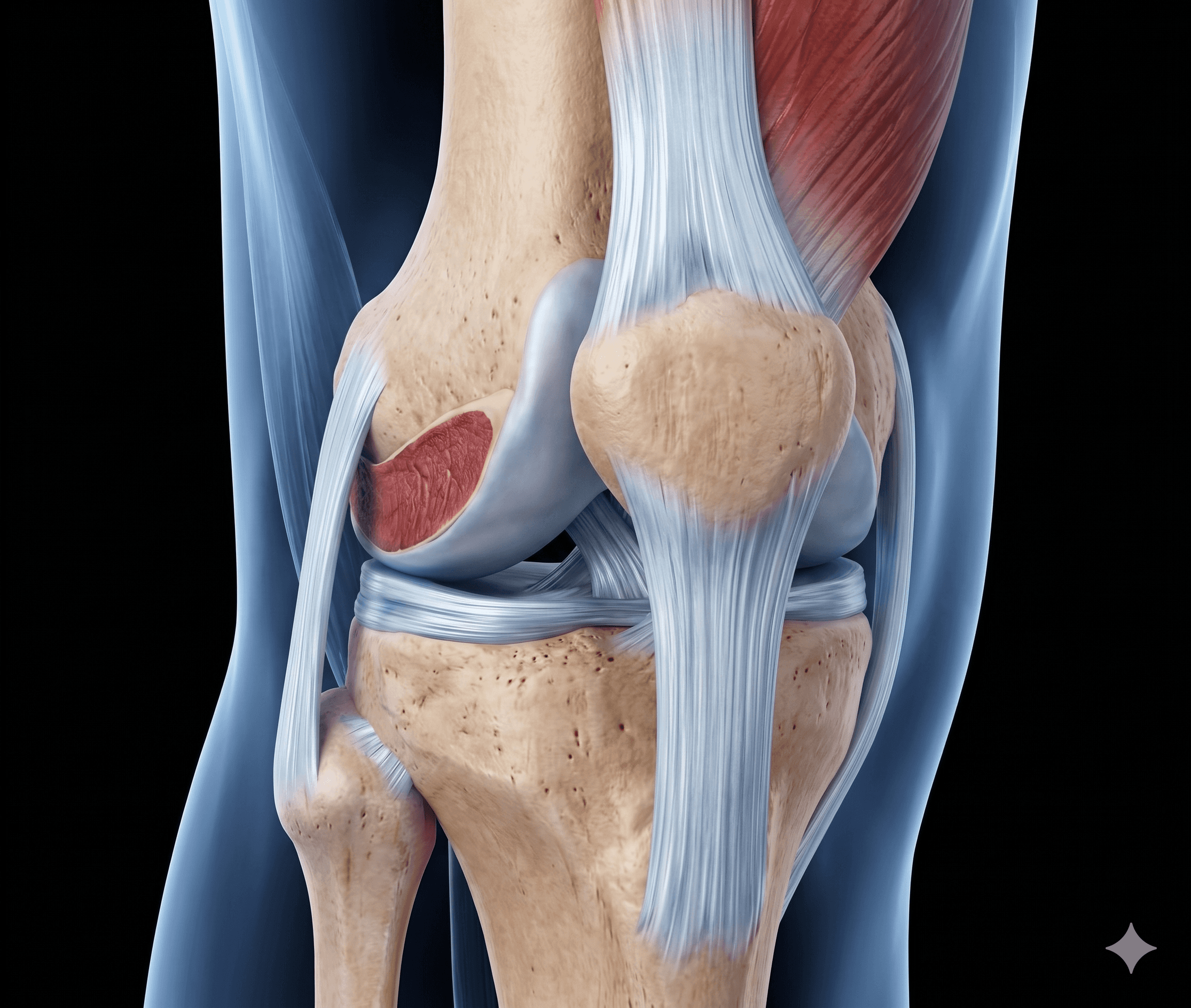
The knee joint is the largest joint in our body and is subjected to high mechanical stress during almost every movement. Knee pain is often caused by sports injuries, incorrect loading, inflammation, or age-related wear and tear. It is among the most common joint complaints and can severely limit mobility in daily life as well as during sports. In many cases, the interplay of various factors is decisive – from muscular weaknesses to structural damage to cartilage, ligaments, and tendons. Knee conditions such as meniscus tears, cruciate ligament injuries, or osteoarthritis of the knee (gonarthrosis) often cause pain, swelling, and instability. A targeted examination is important to preserve the function of the joint and to prevent consequential damage.
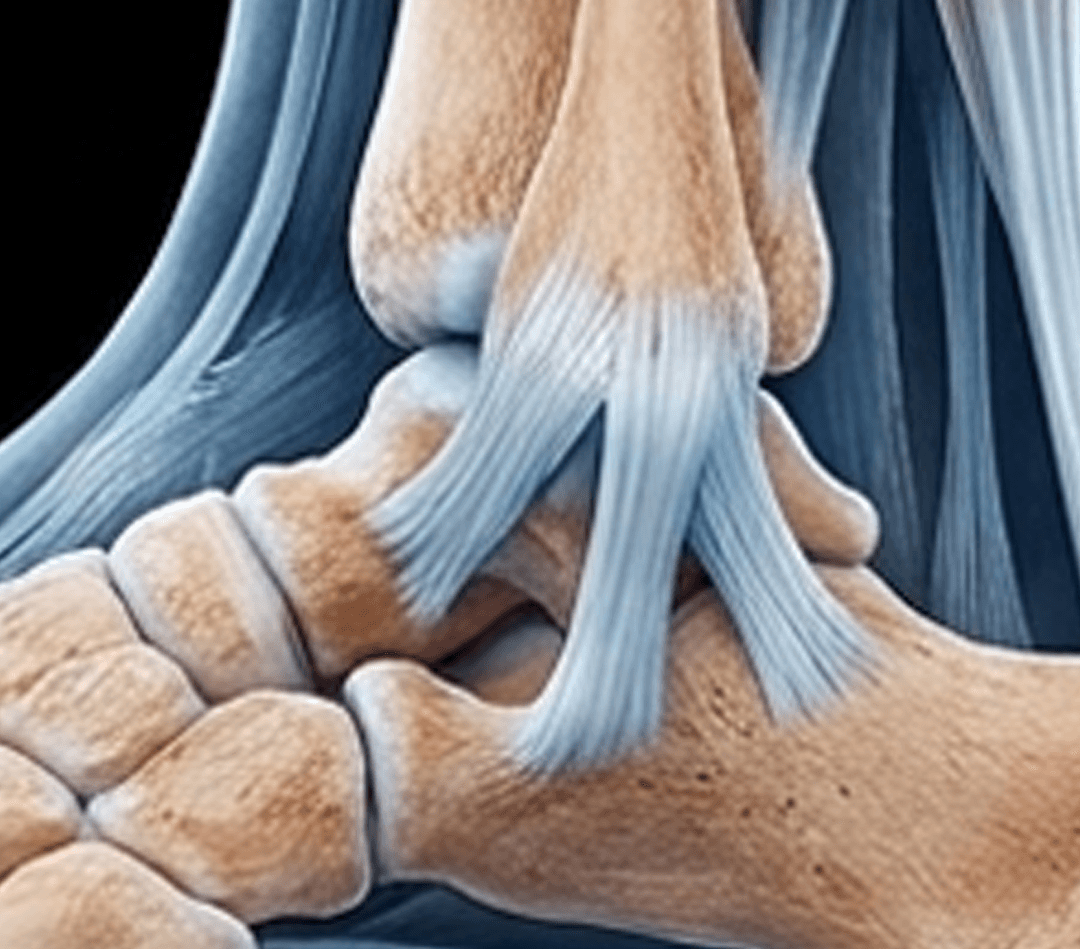
The foot and ankle bear the entire body weight and are challenged with every step. They stabilize, cushion, and compensate for movements. Overload, malalignments, or injuries can lead to pain when walking, standing, or during athletic activity. Complaints are treated in a targeted and individualized manner to restore secure load-bearing capacity. Despite its size, the ankle joint is subjected to high forces. Diseases or injuries can affect the gait pattern and body statics. Careful treatment is therefore important to avoid subsequent complications.
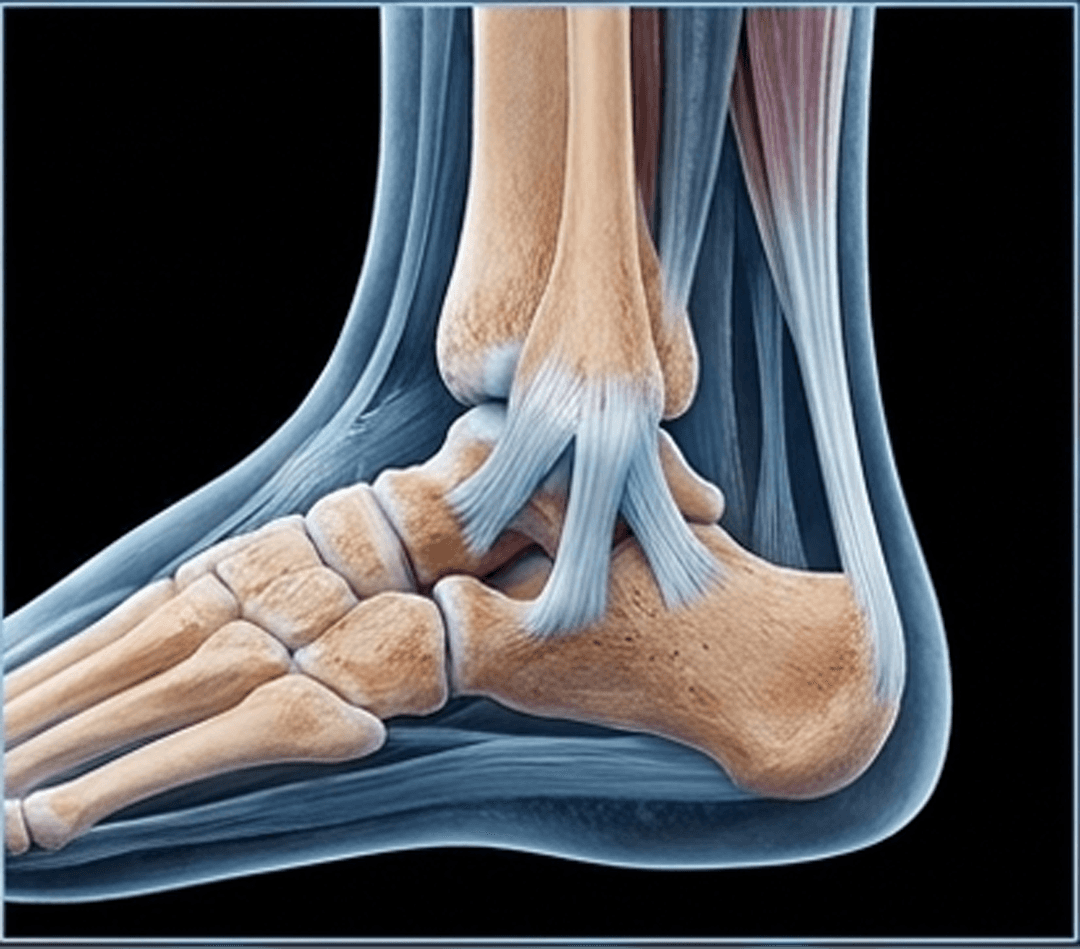
The Achilles tendon is the strongest tendon in the human body. It connects the calf muscles to the heel bone and is essential for movements such as walking, running, and jumping. Achilles tendon complaints occur particularly in physically active people. Early diagnosis and targeted treatment help to prevent chronic changes and restore load-bearing capacity.